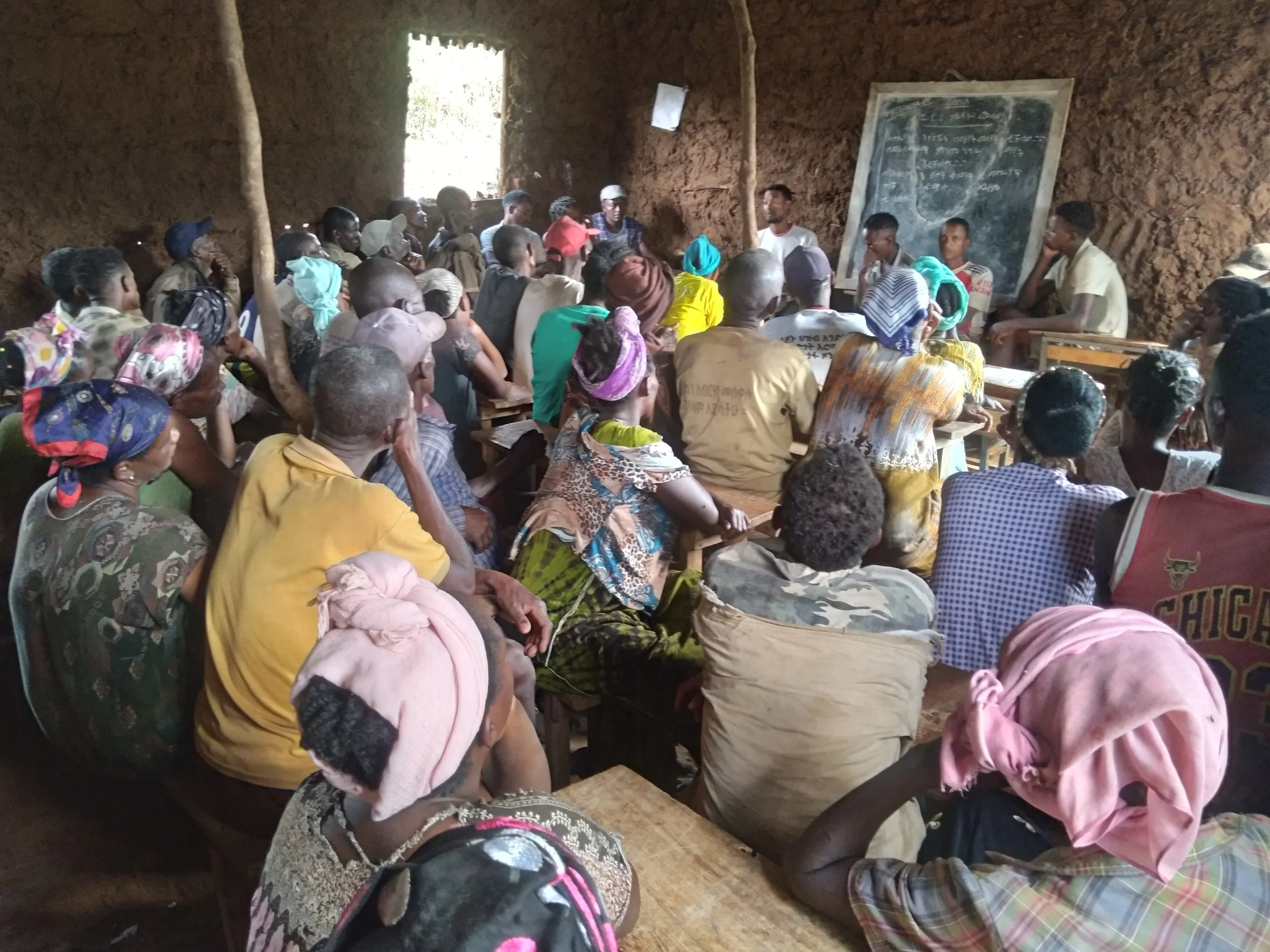
In Dega Birbir, in the West Abaya district of the Gamo zone in southern Ethiopia, the changing climate is no longer a distant threat.
Heavier rains and worsening erosion have led to landslides that wash away crops, land and livelihoods, and have even cost lives. HOPE's new project here puts environmental resilience and agricultural training at its heart, alongside the clean water, sanitation and livelihoods support that underpin all our work.
The project is planned to start in October 2026 and run for 12 months, until the end of September 2027, reaching 3,420 people at a cost of around £34 per person.
Protecting the land:
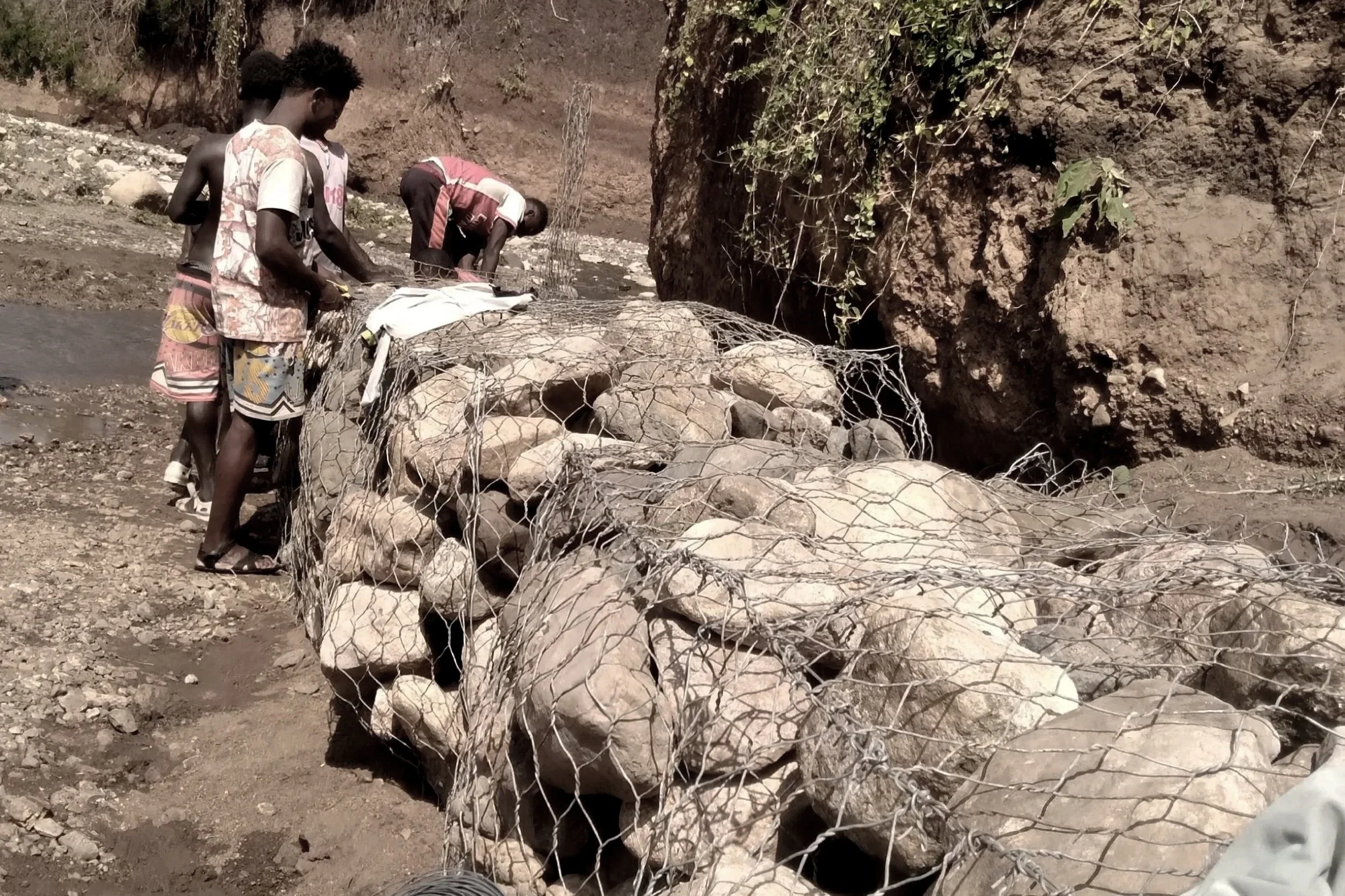
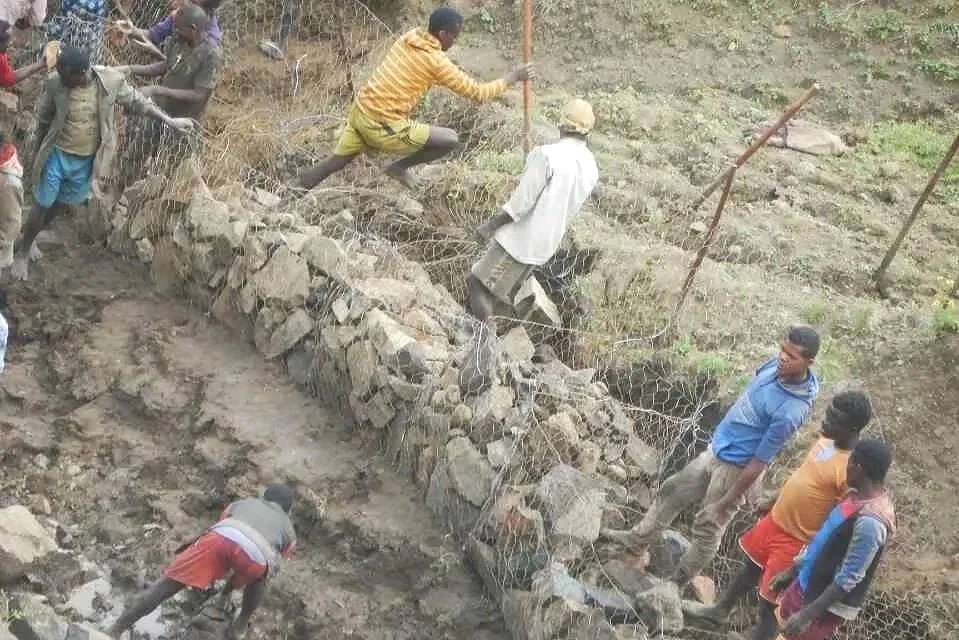
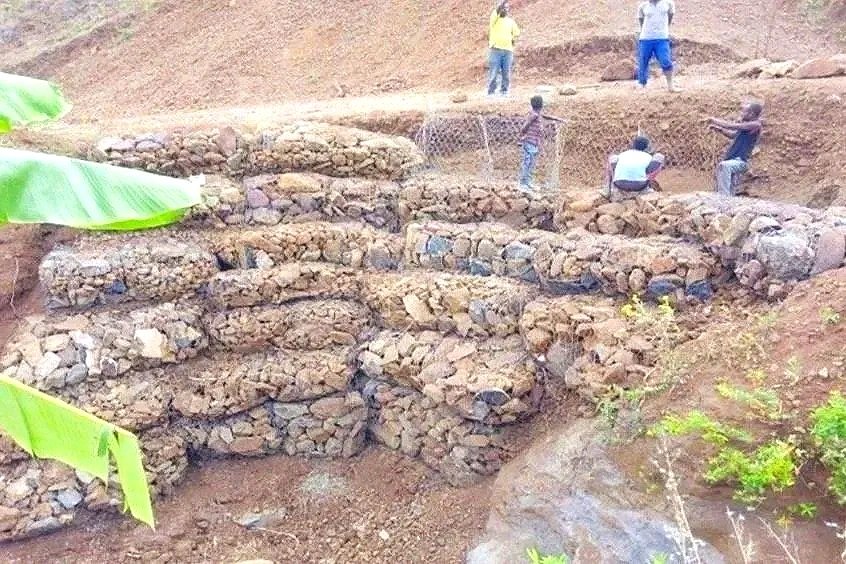
To help the community withstand increasingly unpredictable weather, HOPE will plant 2,500 trees and build a dam using 80 gabion stone filled boxes, tackling the erosion that has already caused so much damage. These measures are designed to protect land, crops and lives from future landslides, while restoring the natural environment the community depends on.
Building sustainable livelihoods:
Agricultural training will be provided to 120 of the poorest households, helping families grow enough food to sustain themselves even as conditions grow harder. Alongside this training, HOPE will distribute 25 kg of vegetable seeds and 2,000 fruit tree seedlings, giving households the tools to put their new skills into practice straight away.
Alongside this, the project will also deliver:
Clean water for all 3,420 residents, within a 10 minute walk of home. Women and girls currently walk over 2.5 km to collect water from unprotected, often contaminated sources.
HOPE will cap two natural springs and build a gravity fed system carrying water underground to new water points across the community
Health, hygiene and sanitation education, including support for every household to build a pit latrine, and new Hygiene and Sanitation Clubs at the local primary and secondary schools
Businesses training for 300 women, helping them form Self Help Groups to build savings and start income generating activities
What success looks like:
A 25% increase in agricultural productivity among 80% of participating households
Over 75% of environmental protection participants continuing to apply their skills in local conservation efforts after the project ends
100% of beneficiaries practising good daily hygiene by the end of the project
A 30% reduction in waterborne disease and eye infections, against baseline
A 20% increase in school attendance, against baseline
All 300 Self Help Group members saving weekly and running an income generating activity within six months


