
In April 2026 HOPE is starting a new water and sanitation project in the remote community of Menena.
Like all of HOPE’s projects, this project involves five proven components of HOPE’s development investments:
the provision of local clean water
health, hygiene and sanitation education
basic entrepreneurial and business skills training for women
training to improve agricultural productivity
environmental protection investments
The following outcomes are expected:
Health
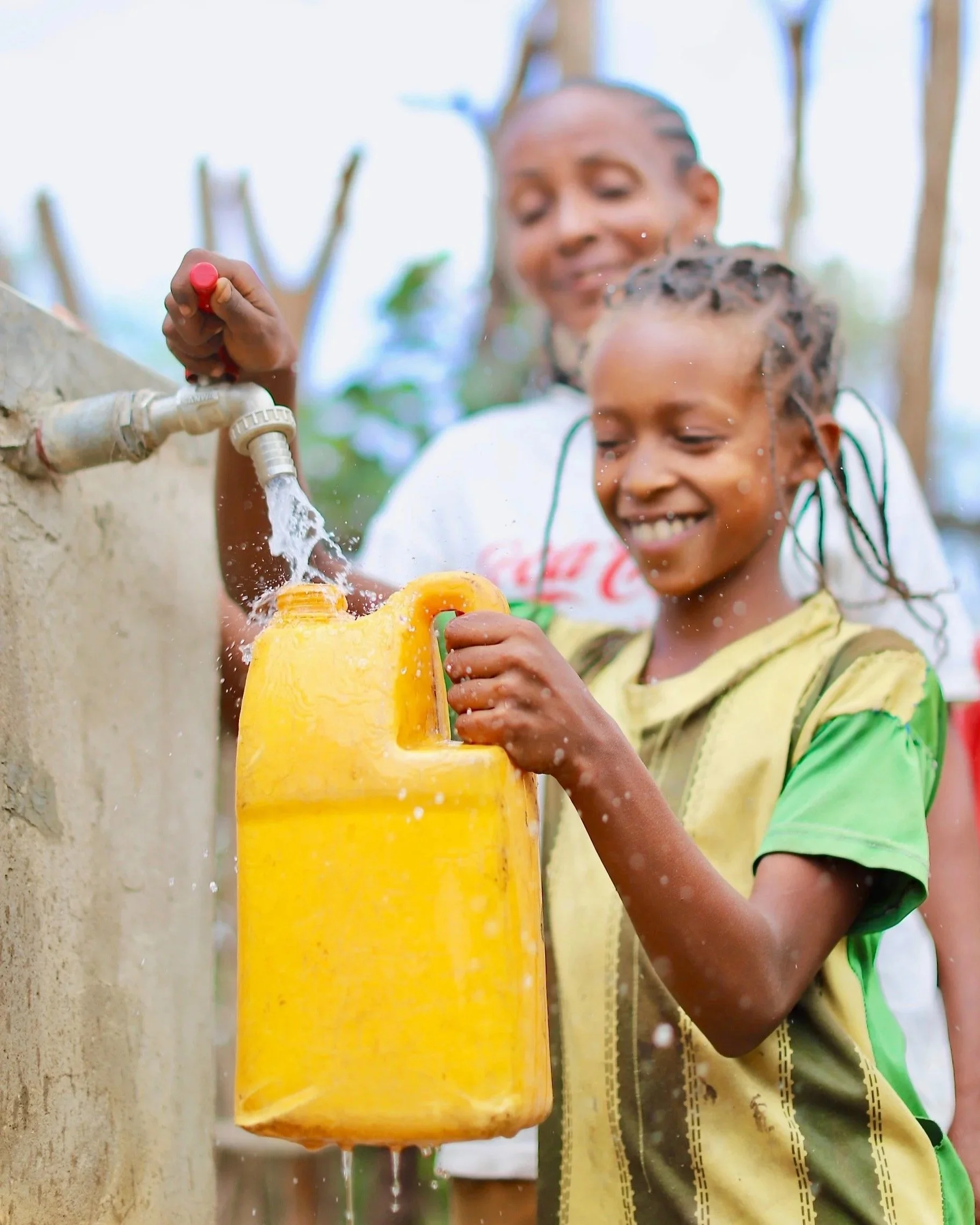
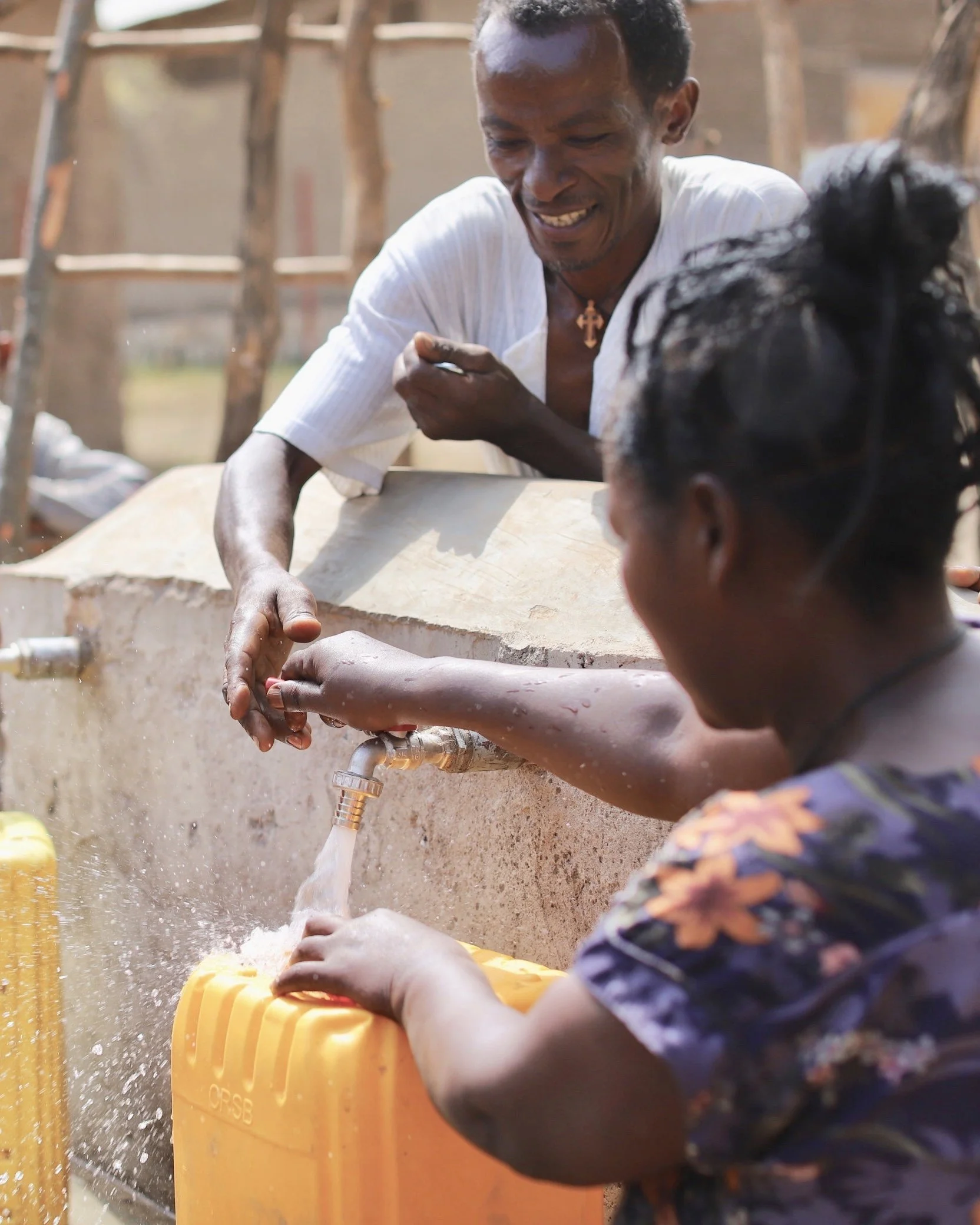
Improved health of each community member (reduction in stomach aches, diarrhoeal disease incidence and eye infections etc.) leading to fewer trips to health centres and reduced fiscal burden of disease through the provision of a local protected water source.
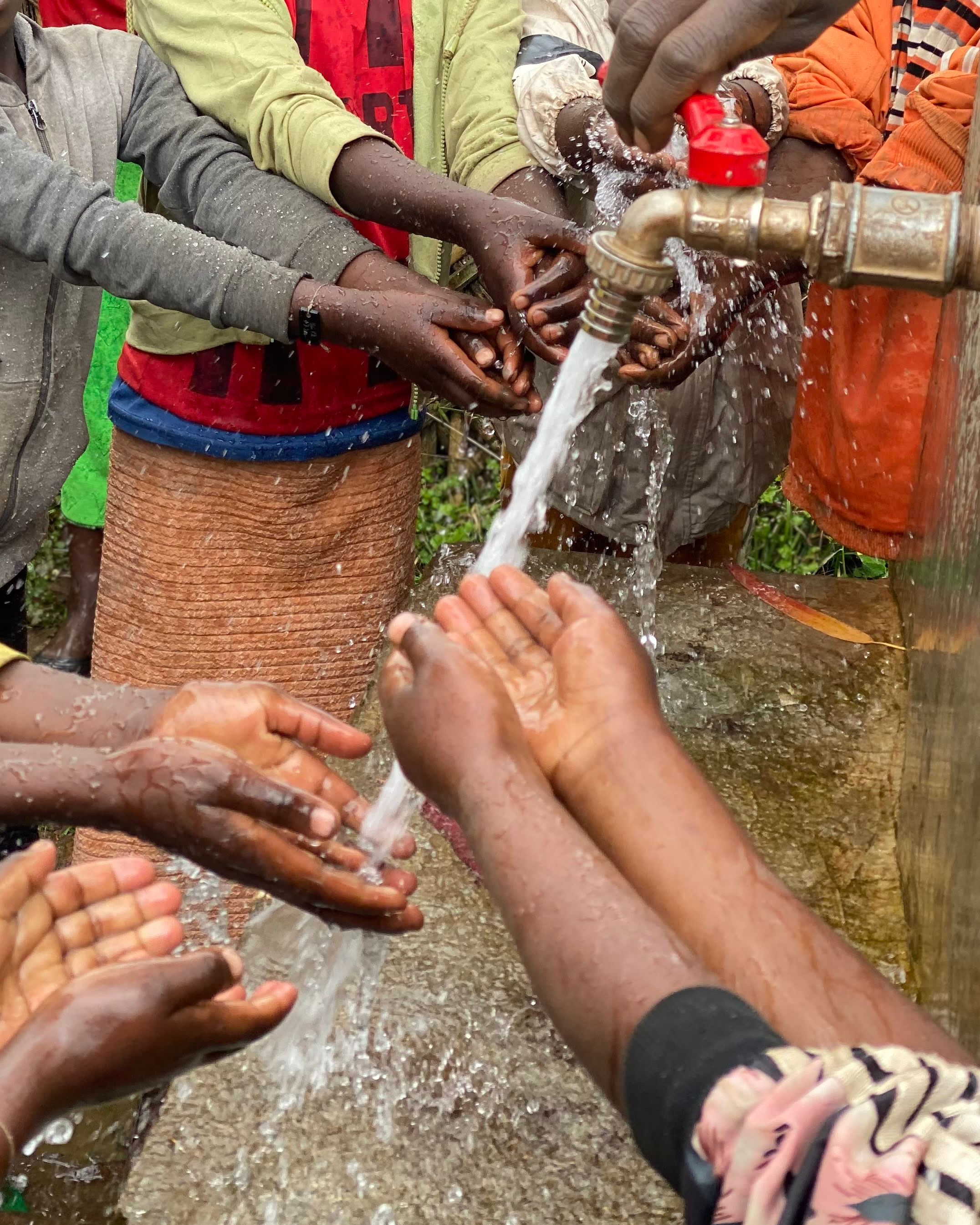
Improved health from the adoption of improved hygiene and sanitation practices including: frequent, effective hand washing; regular cleaning of clothes; and improved cleanliness of homes and division of livestock from communal areas.
Improved nutrition through the increased quantity and diversity of food intake throughout the community.
Increased food security, through improved agricultural skills, ensuring each local household can sustainably feed its family members and protect itself, and its livelihood, in increasingly uncertain times.
Economic
Increased time invested in economic endeavours due to reduction in time suffering from illness and fetching water.
Increased income through improved knowledge and practice of good practices to support income generation, through women in self-help groups being trained in budgeting, saving, loan repayment, investment in income generating activities etc.
Income from activities and increased resilience to external shocks through loan provision / generation and release of capital through SHGs, either as individuals or groups. Income generating activities such as selling vegetables in the market and rearing and fattening animals for sale, start to improve the economic conditions of women’s families and their resilience to external shocks and risks such as extreme weather events, locusts and disease.
Increased income through selling vegetables excess to consumption needs at market, further to the knowledge gained in the SHG training and the know how through agricultural training.
Protection of livelihoods from landslides by terracing of land and planting of trees.
Education
Greater school attendance and higher levels of education as a result of a decreased burden of children not being required to fetch water.
Reduction of school dropout rates due to local access to clean and potable water, reducing water collection time.
Gender-equality
Increased engagement of women in the community and resulting change in social norms around women’s role, leadership and part in decision-making. Like the Water Association, 50% of the Water Caretakers will be women, enabling them to actively participate in the process of change in their village by incorporating their ideas, feelings and concerns into the key decisions.
Women are active and productive members of society due to feeling empowered by contributing economically.
Environmental Protection
Increased protection of the environment as gully wall reshaping/filling and tree planting prevents the land from erosion in times of heavy rain.
The development of the local nursery will increase and improve knowledge of growing tree saplings and using improved seeds for land protection.


